Australian scene · 10 March 2021 · 12 min read
How Bookbinders Online taught Australia to buy ink by post
From a 2014 shipping note about Midori refills at letter rates to a prestige Pilot tile and an Aspley door — the house history, reconstructed from the Wayback Machine.
By The Bookbinders desk
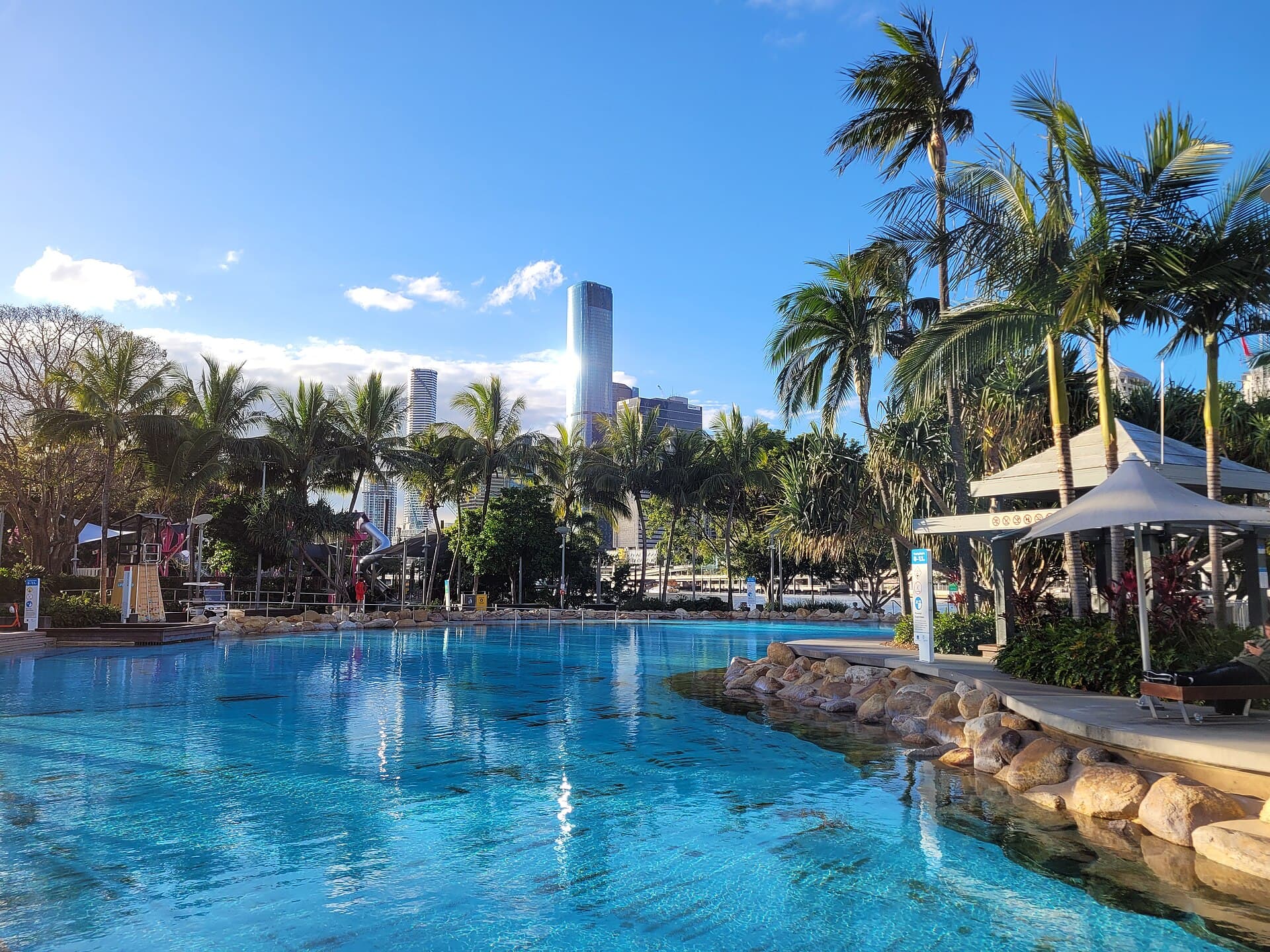
Image: Misaochan2. CC BY-SA 4.0. See the image credits.

The first useful document in the archive is not a manifesto. It is a shipping adjustment. 31 July 2014. You can now get up to two Midori refills shipped for $2.10. Bookbinders Online connected to the Australia Post API, which calculated a fair parcel and could not see that some thin products could travel as letters. So the shop intervened, by hand, and told the country.
That paragraph is the whole founding ethic. Know the object. Know the post. Do not let an API overcharge a customer for a refill. Write it down as news, because for the person waiting on a Traveler's insert it was news.
This essay is the reconstruction we can honestly make from the public web and from the voice that never quite left the tiles.
2014: arrivals as journalism
The early site spoke in dated notes. 17 July: Iroshizuku coming, names from Japanese landscapes, a bottle with a cone in the base, Tomoe River awaited, a physical store to be announced. 26 September: Word notebooks from the United States, a bullet system for people who already had a private one. 1 October: 33 Books tasting journals, cigar, beer, wine, a flavour wheel. These were not "content". They were a shop thinking in public.
The voice was first person plural, slightly breathless, specific about postage and about packing. It assumed a reader who already wanted the object and needed permission to order it from Queensland. That reader existed, in more cities than a northside shop could serve in person.
The name, Bookbinders, did the slightly confusing work of sounding like a craft bench. What arrived in the post was stationery. The bindery sense remained as an atmosphere: objects made to be held, refills that could be replaced, a respect for the consumable. See when to refill.
2016 to 2019: the shop as a magazine cover
By 2018 the homepage had become a set of campaigns. Digital detox with a quality notebook. Traveler's as the ultimate travel journal. TWSBI, so you could show off an ink. Field Notes: write it down. Pilot Prestige. New arrivals that mixed sealing-wax pebbles, Leuchtturm Fernweh, Eco-T stubs, a hand-typed card, gift wrapping as a product. The site had learned to speak in tiles without losing the counter.
In 2019 the tiles included Graf von Faber-Castell's Pen of the Year, limited to 400 pieces, MD Paper as fountain-pen friendly, Bellroy as considered carry. The shop could hold a limited object and a four-dollar G2 in the same week of arrivals. That range is a specialist shop at full voice.
The testimonials froze into a chorus and stayed there for years, which is what good chorus does. Traveler's stock you could rely on. Fast, careful packing. Birthday ink. If you like pens and stationery, this is the place. We have left them in the house memory because they are the customer's sentences.
The door on Gympie Road
The physical store at Aspley is the other half of the history. Online taught the country; the door taught the city. The shopfront essay is the room. The hours sat on every later snapshot as a footer, a liturgy: weekdays, a late Thursday, Saturday afternoon, Sunday closed.
Together they made a model that other Australian specialists still use: a website that is actually a shop, a counter that is actually staffed, a packing bench that treats a bottle as a gift when it is one.
What this journal inherits
Not the cart. Not the limited edition in the window. The voice. Specific postage. Named objects. A willingness to wait on a Japanese sheet and to say so. A belief that a notebook can be a detox without a sermon. Australian English, Brisbane weather, a country that will buy ink by post if you pack it properly.
We reconstructed this from the Wayback Machine because the live site is no longer the 2014 shop note, and because a rebuild that ignored those notes would be a different magazine wearing a stolen name. If we have the tone wrong in a sentence, write to the desk. The archive is public. The conversation can be too.
Bookbinders Online taught Australia to buy ink by post by treating the post as part of the craft. This publication is what you do after the lesson has been learned: you keep writing, at letter length.
What the snapshots keep, and what they cannot
The Wayback Machine kept tiles, hours, testimonials, and the rhythm of new arrivals. It cannot keep the packing bench, the phone call about a nib, or the particular heat of a January Saturday. A journal that pretends otherwise is doing costume. We use the snapshots as evidence and then write the room as a room.
Later snapshots grew heavier as the shop accumulated campaigns. Earlier ones were lighter and more like a diary. Both are Bookbinders. The letter-rate note is the sentence we would save if we could save only one.
Why a rebuild is not a shop
This publication does not sell a Metropolitan. It sells the attention that made the Metropolitan make sense. The cart is gone; the voice is the inventory. If you came here looking for a G2 six-pack, the map of counters is the next page. If you came here looking for the sentence about two refills and a letter, you are already in the right house.
What we will not invent
We will not invent a founder myth that the archive does not support. We will not invent a bindery that was not there. We will not invent stock we did not see in the snapshots. The tiles, the notes, the hours, the testimonials, the Aspley address: those are the primary sources. The rest is interpretation in Australian English, which is the job of a journal.
If you have a packing slip or a memory that corrects us, send it. House history is a collaboration with the people who actually queued.
The letter, still
Two refills, letter post, a fair price the API could not see. Keep that sentence. The rest of the history is commentary. The shop taught the country by intervening on behalf of a thin object. We still think that is the work.
Questions from the bench
- When did Bookbinders Online begin?
- The public archive is clear by 2014, with shop notes about Midori postage, Iroshizuku, Tomoe River and a coming physical store. The site then grew into a full stationery shopfront online and in Aspley.
- Was it a bookbinding business?
- No. The name suggested a bindery; the work was fine stationery, fountain pens, notebooks and analog gifts, sold to the country by post and to Brisbane over the counter.
Further reading
Australian scene · 1 June 2025
A reader's map of stationery counters around Australia
Aspley was one door. The rest of the country still has counters, museum shops, bindery suppliers and the newsagency that surprises you. How to read a room before you buy.
Australian scene · 16 September 2020
The Aspley shopfront and Brisbane's stationery habit
Shop 3, 1355 Gympie Road, northside hours, and a counter that sold Traveler's as if it were a local fact. A portrait of the room the website was always pointing at.
Analog life · 8 April 2025
Handwriting, cursive, and why the hand still matters
Schools argue about joined letters while adults buy fountain pens to remember they have a hand. A practical account of writing as a physical skill in Australia.