Analog life · 8 April 2025 · 10 min read
Handwriting, cursive, and why the hand still matters
Schools argue about joined letters while adults buy fountain pens to remember they have a hand. A practical account of writing as a physical skill in Australia.
By The Bookbinders desk
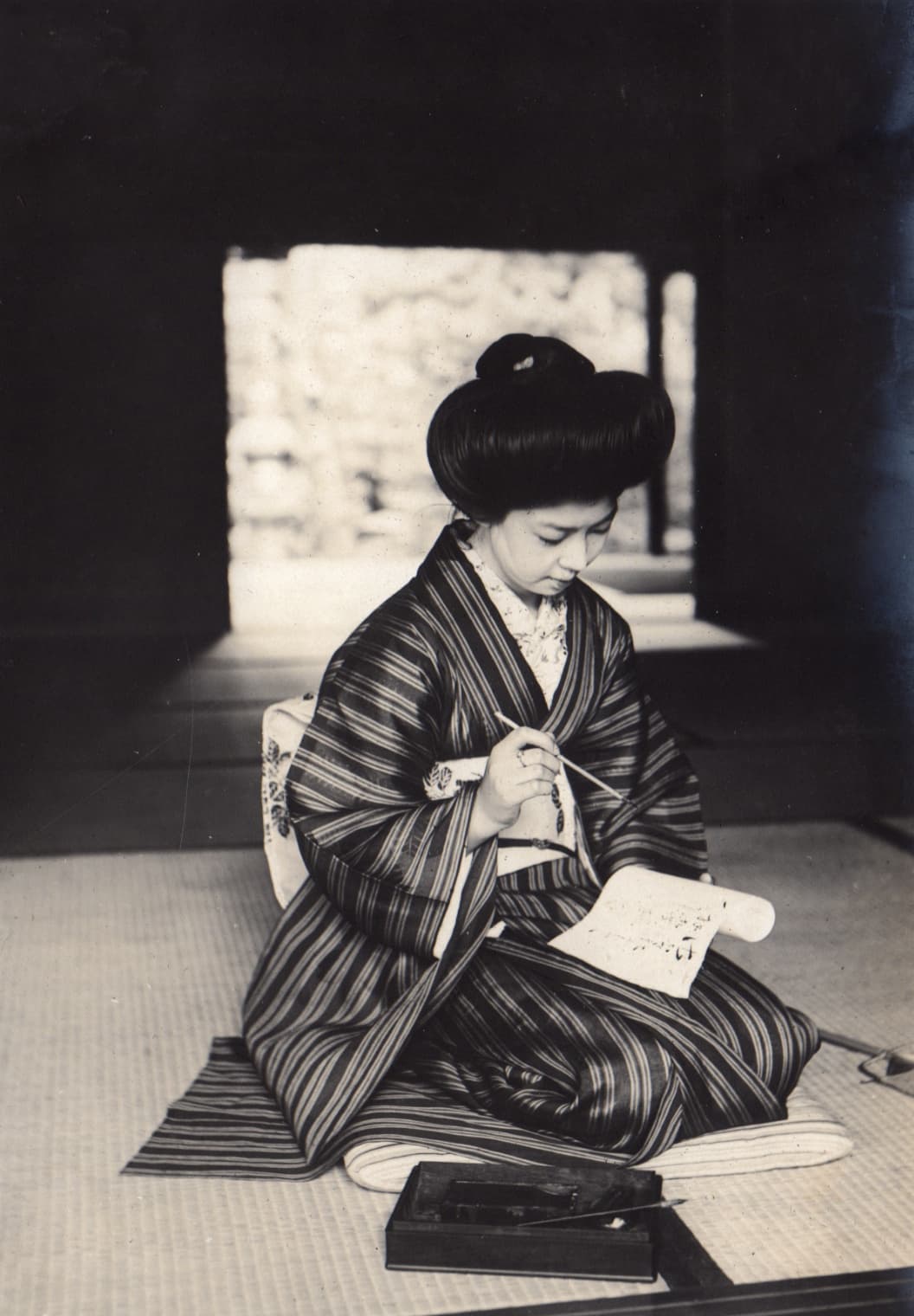
Image: Elstner Hilton. CC BY 2.0. See the image credits.

Adults came to the counter with a confession. Their handwriting had collapsed into a personal cipher. They wanted a fountain pen to fix it, as if a nib were physiotherapy. Sometimes it helped, because a fountain pen punishes pressure and rewards a lighter hand. Sometimes they only bought an object that made the cipher look wetter.
Handwriting is a physical skill. It atrophies. It can be trained again without a campaign to restore a particular Victorian join. This is the house view, from a shop that sold pens to people who still had to write on forms.
What cursive is for
Joined letters are a way of writing faster without lifting the pen on every character. They are also a historical style that Australian schools have taught, untaught, and argued about. If you learned them, you have a motor memory that will return with a week of pages. If you did not, you can write a clear print that a pharmacist can read, which is a higher civic achievement than a beautiful loop.
A fountain pen likes a little join because the ink wants a continuous stroke. It does not require a full copperplate. If you want that, take a class and buy a dip nib. If you want to sign a card, choose a first fountain pen and write your name fifty times on scrap.
Left-handers, again: angle the page, use a quicker ink, ignore anyone who sells you a mythology instead of a fine nib.
Pain is information
If your hand aches, you are gripping as if the pen might escape. Ballpoints trained that grip. Put the pen down. Shake the hand. Hold the barrel as if it were a piece of cutlery you did not want to snap. A lighter nib with feedback will tell you where the page is so you do not have to grind to feel it.
Sore shoulders are often a table problem. Raise the book. Sit as if you might stay. Five minutes is a session. The repentance hour is how people quit and then buy another pen.
If you cannot read your own notes a week later, slow down and widen the letters before you buy a more expensive ink. Legibility is kindness to your future self and to anyone you write a letter to.
Practice that does not look like school
Copy a paragraph you like into a cheap book. Write the day's list in a pocket notebook. Address an envelope. Keep a travel page. Do not buy a handwriting workbook unless you enjoy workbooks. The skill returns through use, which is the same sentence we used about notebooks in the detox essay.
Fountain pens will not restore a national cursive. They will make a personal hand more pleasant to produce. That is enough to justify the object. The rest is culture war, and we were a shop.
Write so that a stranger could find you if the page fell out of a bag. That is a standard we can still keep, whether the letters are joined or not.
Tools that help, and tools that flatter
A fountain pen helps because it removes the need to press. A pencil helps because it forgives. A broad stub flatters a careless hand and then smudges it. Start with a fine or a medium that has a little feedback, on paper that is not glossy. If you want to study joins, copy a simple Australian school model rather than an Instagram copperplate. The joins you learned, if you learned them, will come back faster than a foreign alphabet.
Paper choice matters more than people admit. A toothy cream sheet slows you down in a useful way. A glassy pad makes you skate and then blame the pen. Keep a cheap book for drills and a better book for letters, so the drills cannot intimidate the letters.
A month of minutes, not a rebirth
Ten minutes a day for a month will change a hand more than a weekend of repentance. Write the date and four sentences about the day. Write a shopping list in full words. Address two envelopes you will actually post. If you miss a week, do not restart a streak. Open the next page.
At the end of the month, compare the first page and the last. You are looking for less pain and more even size, not for a new personality. If both improved, keep the pen. If neither did, change the grip and the table before you change the brand. The hand is the instrument. The pen is a guest.
Forms, pharmacies and the civic hand
The handwriting that matters in this country is often not a journal. It is a PBS script, a school permission note, a customs card, a will's witness page. Those surfaces are hostile and the reader is in a hurry. Practise your name and your numbers. Practise the suburb. If a fountain pen makes those worse, keep a pigment rollerball in the same kit and save the fountain pen for the letter.
A civic hand is slightly larger than you think is elegant, and it has a clear 1 and a clear 7. It is an ethics of other people. The return of cursive, if it happens, should not be an excuse to make a nurse squint.
Reading your own archive
Once a year, open a book from three years ago. If you cannot read it, the practice has failed in a way a prettier nib will not fix. Slow down. If you can read it and you wince, that is a different problem and usually a kinder one: you have changed. Keep writing. The hand is a record of a body in a climate, not a brand exercise.
Keep the hand in the week
A signature on a card, a list, a form, a page. That is enough practice for a person who also has a job. Cursive can visit. The hand can stay. The fountain pen is optional and pleasant. The civic line is not optional.
Questions from the bench
- Do I need to revive cursive to enjoy a fountain pen?
- No. A fountain pen writes print as well as joined letters. Cursive is a speed and a tradition, not a moral test.
- How do I make my handwriting less painful?
- Lighten the grip, raise the angle of the paper, use a nib that does not require pressure, and write for a few minutes a day instead of an hour of repentance.
Further reading
Analog life · 20 November 2019
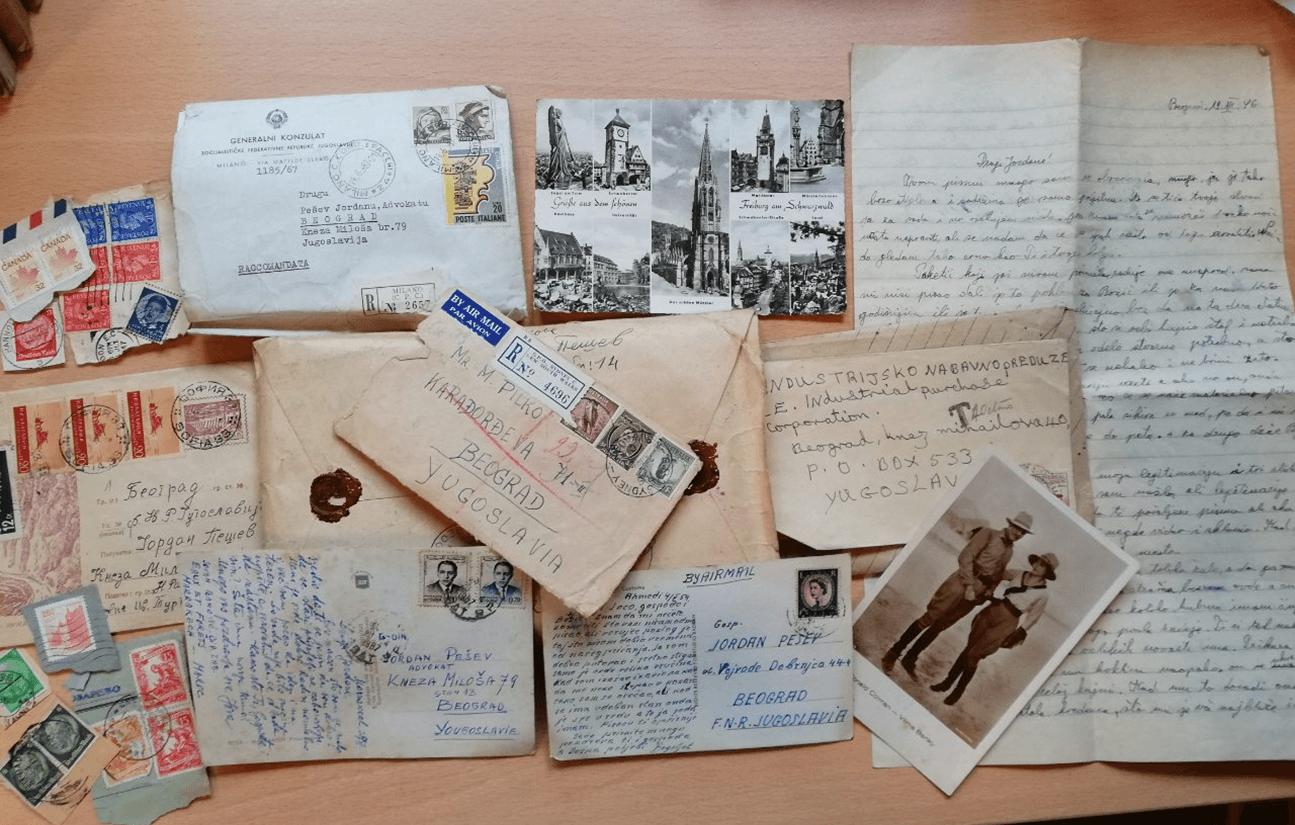
Gift-giving with pens and paper
A pen is a good gift until it is the wrong nib, and a notebook is a good gift until it is a journal the recipient is afraid to spoil. How we used to wrap the ones that worked.
Analog life · 14 August 2018
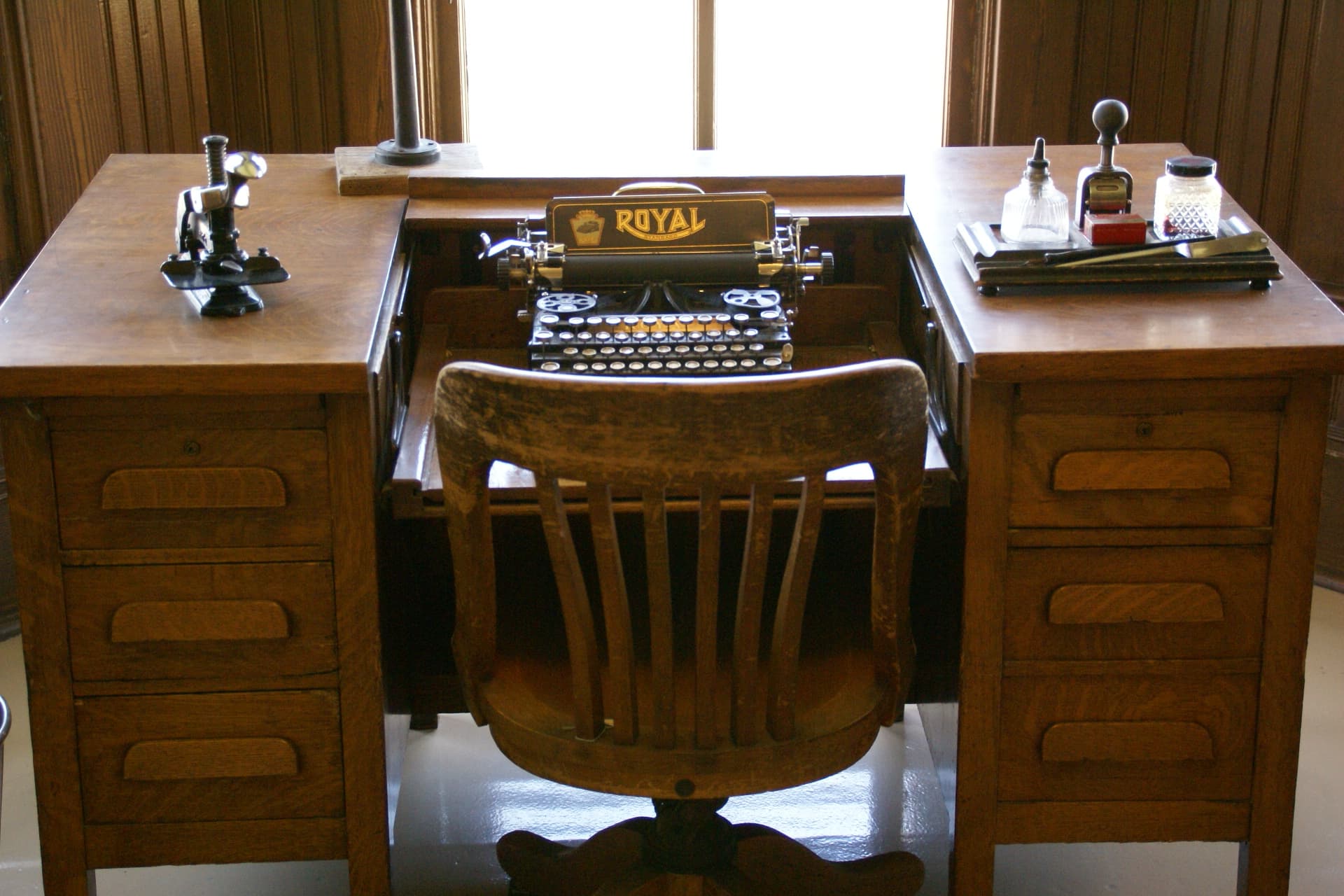
Digital detox, why a notebook still beats an app
The old homepage led with a quality notebook and a slogan. The slogan aged. The notebook did not. A case for analog attention that does not require you to throw the phone in the river.
Analog life · 1 October 2014
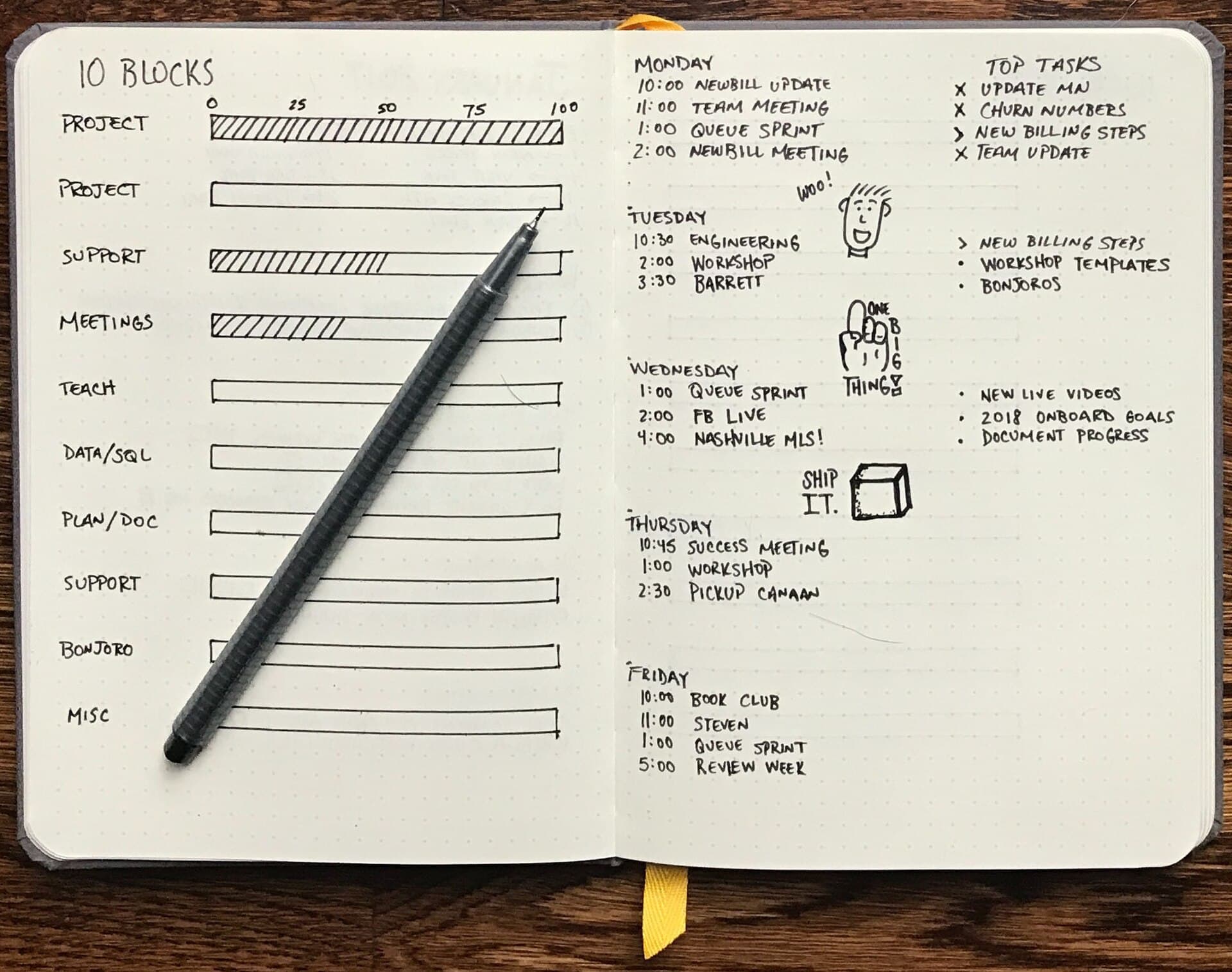
Tasting journals, flavour wheels and slow notetaking
In 2014 we unpacked 33 Books from the United States — cigar, beer, wine — and learned that a prompt on a page is a technology. How to steal that idea without the original book.