Paper · 22 January 2025 · 10 min read
What fountain-pen friendly paper actually means
The phrase is a marketing kindness until you test for feather, bleed, show-through and dry time. A shop-floor definition, written for Australian pads and Australian humidity.
By The Bookbinders desk

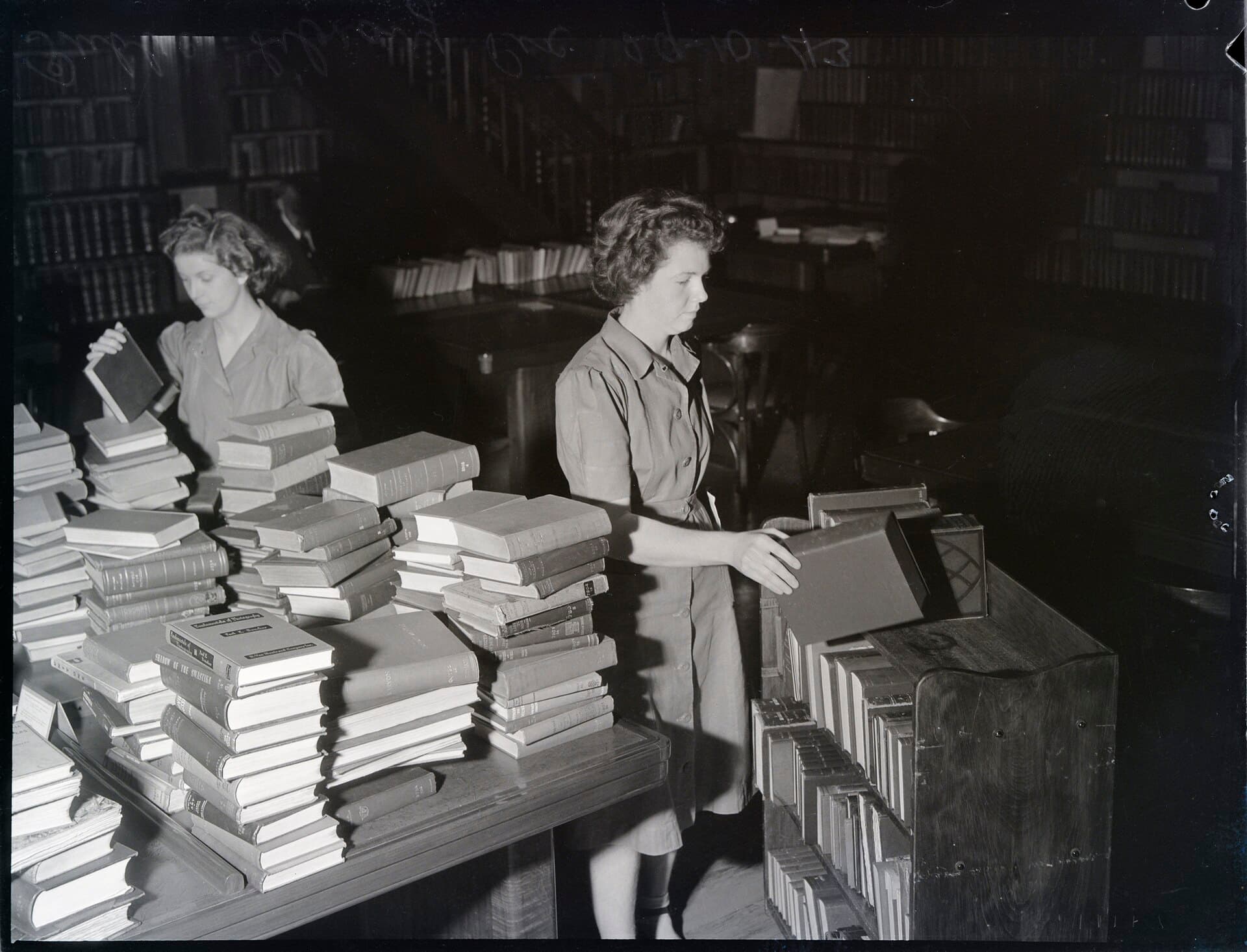
Image: Jacek Halicki. CC BY-SA 3.0 PL. See the image credits.

"Fountain-pen friendly" was on the old homepage next to MD Paper as if it were a simple adjective. It is not. It is a bundle of behaviours, and a paper can win one and lose another. We used the phrase at the counter because customers needed a door. Then we put a pen in their hand and made the phrase earn itself.
This is the definition we used when we were being careful.
The four tests
Feathering: the line grows whiskers as ink follows fibres. Fail. Bleed: the line comes through as a stain, not a ghost. Fail for most notebooks, acceptable on a pad you only use one side of. Show-through: you can see the previous page. A judgement, not an automatic fail; thin paper almost always shows. Dry time: the line offsets onto the facing page or a hand. A fail in a meeting, a negotiation in a journal.
Do the tests with the nib and ink you actually use. A Japanese fine on a polite dye will bless papers that a stub and a saturated ink will curse. The pairing essay is the other half of this page.
Do them in your weather. A paper that dries in a Hobart July can offset in a Darwin January. We kept the shop air-conditioned and still told people to test at home. The shop is not your verandah.
What the packet numbers do and do not say
Gsm is weight. It hints at show-through and at how the book feels, not at whether the surface is sized for ink. Coatings and internal size are the chemistry. You will not get a full chemical sheet from a gift-shop journal. You will get a brand and a hope.
"Acid-free" is about longevity, not about fountain pens. "Smooth" can mean pleasant or it can mean glassy enough to skip. "Tooth" can mean control or it can mean a cheap fibre that feathers. Learn the words as tendencies. Then test.
Tomoe River taught a generation that thin can be friendly. Midori MD taught a generation that cream and a little grain can be friendly. Cheap white copy paper taught everyone else that "80 gsm" is not a spell.
Australian packets, imported reputations
Much of the paper we trust is imported, which means you are paying for a reputation and a boat. Local newsagency pads are a lottery with the occasional pleasant surprise. Office copy paper is for the printer and for the back of a page. If you find an Australian sheet that takes a fountain pen well, buy a ream and tell the desk. The Australian-made paper essay is a longer hunt.
Notebook brands change mills. A Leuchtturm from one year is not sworn to a Leuchtturm from another. Treat each new book as a new test if your pen is wet. This is annoying and cheaper than a ruined stub page in a numbered diary.
A working definition
A paper is fountain-pen friendly, for you, if your usual pen writes a line you still like after it dries, on both the look of the line and the back of the sheet, in the room you write in. That definition refuses a universal list. It is the only one that ever matched the counter.
Buy a pad, not a mythology. Keep a scrap from each book in the front flap with the pen name and the ink name. In six months you will have a better catalogue than a forum thread, and it will have been written in Australian weather.
A short list that is not a brand religion
In our weather, we have trusted Midori MD for daily fountain-pen notes, thin Japanese sheets for shading, and a Japanese fine on ordinary copy paper for forms. We have trusted some Leuchtturm books with reservations, some art papers for dry inks, and almost no glossy gift journals. Your list will differ. Write it in the front of the next pad.
When a new notebook arrives, do not finish a letter in it first. Do a test block in the back: the date, the pen, the ink, a looped sentence, a block of shading. If it fails, the book can become a pencil book. That is not a demotion. That is taxonomy.
Humidity, storage and the second test
Paper sits in your house and takes on your house. A pad that passed in the shop's air-conditioning can fail on a verandah. Repeat the dry-time test in February. If you travel with notebooks, remember that a tropical week is a different laboratory. The pairing essay and this one are the same method from two ends.
Friendly is a relationship, not a sticker. Keep the relationship honest and you will waste less money on pretty books that cannot take a line.
Teaching the phrase to a shop assistant
If a packet says fountain-pen friendly and the assistant has not written on it, ask to write on it. If they will not, you have learned something about the room. If they will, you have learned something about the sheet. Take that method to the map of counters.
The phrase becomes honest only when a hand has been allowed to test it. That was the whole job of the pad under our glass.
After the test, the ordinary page
Once a paper has passed, stop testing it every morning. Write. The phrase fountain-pen friendly is a door, not a career. If a later batch fails, you can return to the test. Until then the page is for sentences, lists, and the Australian week you are actually in.
Keep a failed page as well as a passed one. The failed page teaches the next shop visit. Date it, name the pen, and put it in the front flap. In a year you will have a small Australian atlas of surfaces, which is more useful than a list copied from a milder climate. Then stop talking about paper and use it.
Questions from the bench
- Does a higher gsm mean better fountain-pen paper?
- No. Weight is not sizing. A heavy cheap pad can feather; a thin Japanese sheet can hold a lake of ink. Test the surface, not the number on the packet.
- Why did a paper that worked in winter fail in summer?
- Humidity changes drying and can change how fibres take ink. Repeat the test in the season you actually write.
Further reading

Paper · 11 February 2025
Australian-made paper and where it still lives
The mills receded, the imported pads arrived, and a local sheet became something you hunt for. A reader's map of paper that is still made, finished or meaningfully finished here.

Paper · 17 July 2014
Tomoe River and the thin-paper revolution
In 2014 we were awaiting the arrival of Tomoe River. The wait was about a sheet so thin it felt like arrogance until you wrote on it. Here is how to live with that arrogance in Australia.
Australian scene · 1 June 2025
A reader's map of stationery counters around Australia
Aspley was one door. The rest of the country still has counters, museum shops, bindery suppliers and the newsagency that surprises you. How to read a room before you buy.