Paper · 17 July 2014 · 10 min read
Tomoe River and the thin-paper revolution
In 2014 we were awaiting the arrival of Tomoe River. The wait was about a sheet so thin it felt like arrogance until you wrote on it. Here is how to live with that arrogance in Australia.
By The Bookbinders desk
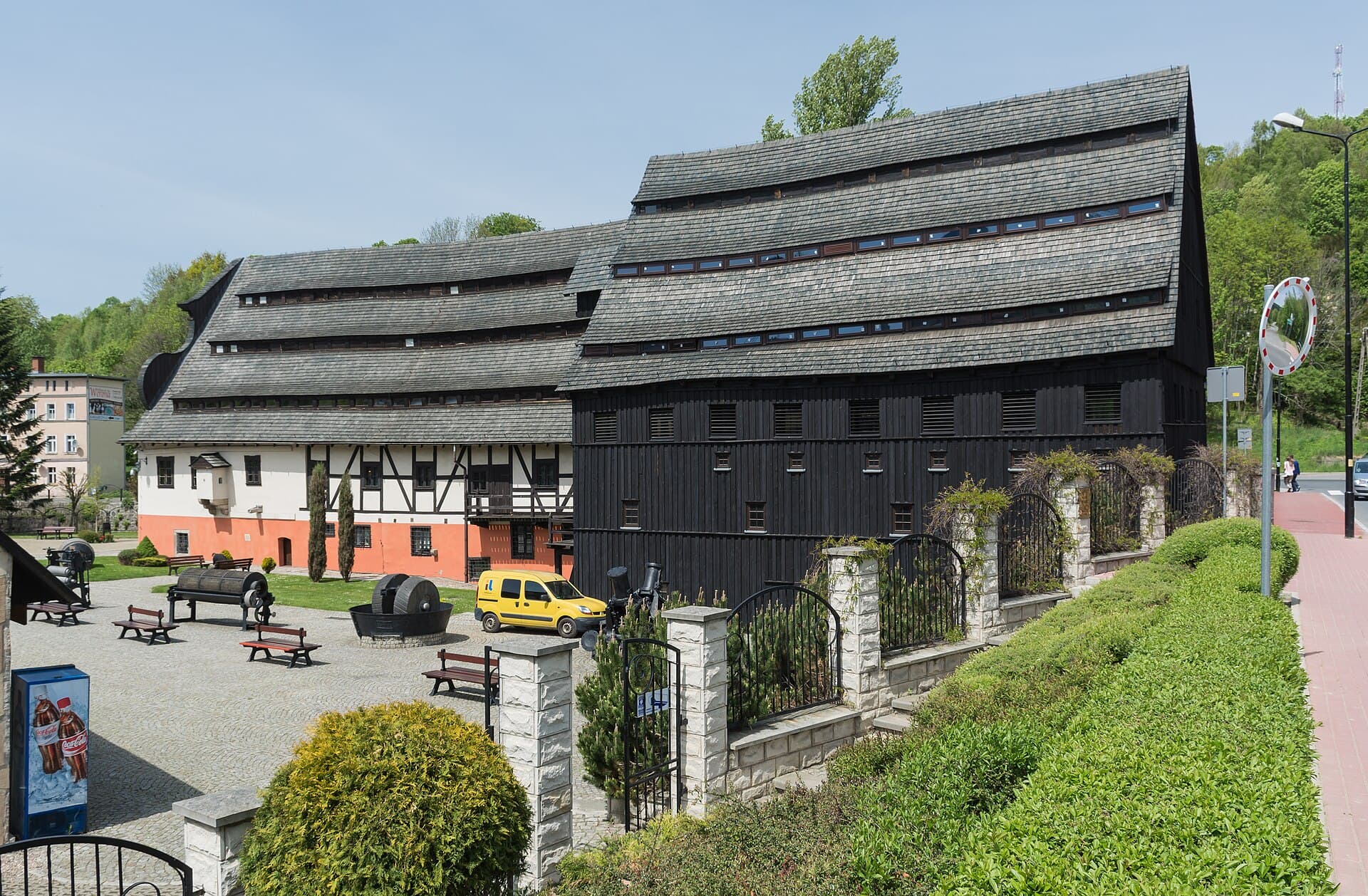
Image: Jacek Halicki. CC BY-SA 3.0 PL. See the image credits.

The same shop note that announced Iroshizuku announced Tomoe River. We were awaiting the arrival. We did not yet have a physical store. We already knew the paper would change the conversation, because a thin Japanese sheet makes ink look like the catalogue and makes a facing page into a risk.
Tomoe River was never just a brand to us. It was the moment Australian fountain-pen buyers stopped accepting that a good notebook had to be thick. A 52 gram sheet can hold a wet ink without feathering and still feel like tracing paper to a hand trained on photocopy bond. That contradiction is the revolution. The rest is logistics and nostalgia about mills.
What the sheet is doing
A hard, lightly sized surface lets ink sit and dry on top. That is why shading appears and why sheen, when it appears, appears here first. It is also why your hand becomes a printing press. In a dry room you can write a letter and turn the page. In a Brisbane February you can write a letter and go and make tea.
The thinness is a storage gift. A 200-page book is a slim object. Travellers who already carry a leather cover sometimes add a thin-paper insert and then complain about transfer. Both facts are true. Pack a blotter sheet. Use a finer nib. Write on the right-hand page only if you must.
Show-through is not always bleed. You will see the previous page like a ghost. Some people like the ghost. Some people think the paper is broken. Hold it up to Australian daylight before you decide.
The name, the mill, and the pad in your hand
Paper lore is a thicket. Mills change. Distributors rename. "Tomoe River" in a forum thread from 2016 is not automatically the pad on an Australian shop shelf in 2026. We treat the sheet as a test, not a faith. If it takes Iroshizuku with shading and without fur, you have the experience we were waiting on. If it does not, you have something else and you should not pay a myth's price for it.
There are other thin Japanese sheets and there are European papers that aim at the same trick. The fountain-pen friendly guide is how you compare them without a brand argument.
How we sold it, and how to use it
We sold it to people who already liked ink. We did not sell it as a first pad to someone whose handwriting was a ballpoint grind and whose notebook was a meeting. For them, Midori MD was the kinder teacher. Tomoe River is a second lesson: this is what your ink was for.
Use a blotter. Use a harder writing surface if the desk is soft. Do not use a brush pen unless you like cockling. Do not glue the sheets into a scrapbook and expect them to behave like cartridge paper. Store the book flat if you can; thin paper takes a curl from a hot bag.
If you are keeping a travel journal on thin paper, accept that a wet afternoon and a wet ink are a pair of risks. Pencil still exists. So does a fine Pilot.
The revolution was not that paper became precious. It was that a shop in Brisbane could wait on a Japanese sheet and know that customers would understand why. We still think they will, if they test it in their own weather.
Writing on both sides, or refusing to
The thin sheet invites both sides and then punishes a wet hand. A practical compromise is to write on the right-hand page only when the ink is juicy, and on both sides when you are using a fine and a polite dye. Another is to interleave a cheap blank sheet as a blotter and move it as you go. Neither is elegant. Both keep a book usable.
If you number pages, number after you have decided the rule, or you will have a contents list that points at ghosts. If you keep the book as a letter pad, tear sheets from the back so the remaining book stays tidy.
Pads, books, and the Australian packet
Loose pads are easier to test and easier to store flat. Bound books are easier to carry and easier to ruin with a wet palm. In a humid house, store thin-paper books in a closed shelf, not on a sunlit ledge where they will curl into a wave. If a shop offers a sample sheet, take it home and try it at night, when the air is heavier.
We waited on this paper because customers had already heard the myth. The useful shop work was to put the myth on a pad next to a supermarket page and let the hand decide. You can still do that. The revolution only counts if the sheet in your weather behaves.
Letters on thin paper
A letter on a thin sheet feels expensive and travels light. It also shows the previous paragraph on the back. Write on one side, or accept the ghost as part of the intimacy. Fold once, not into a puzzle. If you wax the envelope, keep the seal away from the fold of the sheet.
Thin paper made the shop wait in 2014 because it made ink look like the reason we were waiting. Use it for that reason, not because a forum said you must.
A last word on waiting
We waited in 2014 because the sheet was worth the wait. You do not have to wait now. You do have to test. If the successor sheet in your shop does the shading without the fur, you have the thing we wanted. Name it whatever the packet says, and write the letter.
Keep a blotter in the book, write more slowly than a ballpoint taught you, and do not leave a wet page in a hot bag. Thin paper is a pleasure with rules. The 2014 wait was about that pleasure. The Australian year is about those rules.
Questions from the bench
- Is Tomoe River still the same paper?
- The original mill story changed and the market is now a set of successors and lookalikes. Judge the sheet in front of you. The name on the pad is less important than whether your ink dries and your nib shades.
- Why does the ink stay wet so long?
- Because the sheet is hard and thin and does not drink. In Australian humidity that delay gets longer. Blot, skip a page, or use a finer nib.
Further reading
Paper · 11 February 2025
Australian-made paper and where it still lives
The mills receded, the imported pads arrived, and a local sheet became something you hunt for. A reader's map of paper that is still made, finished or meaningfully finished here.
Paper · 22 January 2025
What fountain-pen friendly paper actually means
The phrase is a marketing kindness until you test for feather, bleed, show-through and dry time. A shop-floor definition, written for Australian pads and Australian humidity.
Australian scene · 1 June 2025
A reader's map of stationery counters around Australia
Aspley was one door. The rest of the country still has counters, museum shops, bindery suppliers and the newsagency that surprises you. How to read a room before you buy.