Analog life · 1 October 2014 · 9 min read
Tasting journals, flavour wheels and slow notetaking
In 2014 we unpacked 33 Books from the United States — cigar, beer, wine — and learned that a prompt on a page is a technology. How to steal that idea without the original book.
By The Bookbinders desk
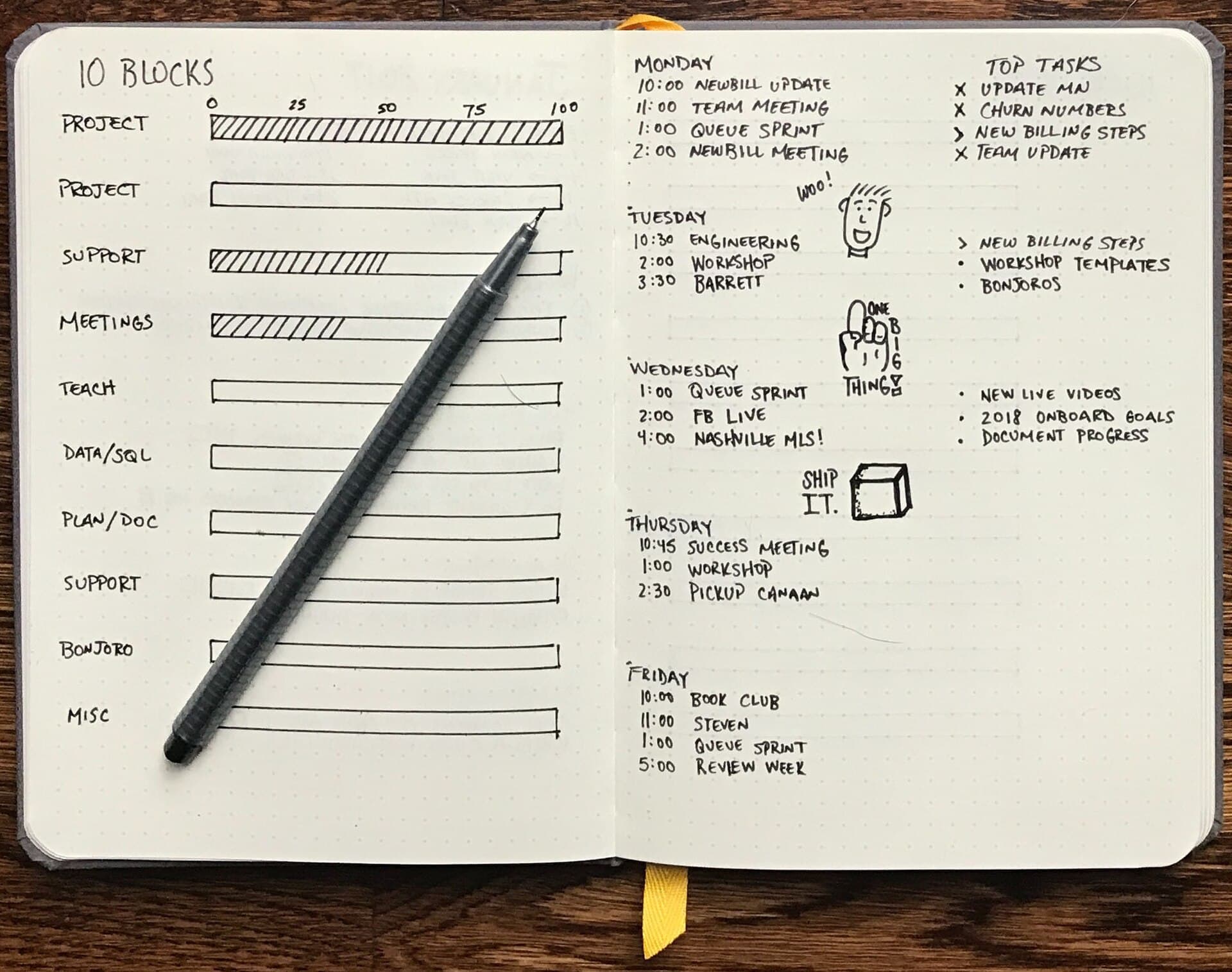
Image: Matt Ragland. Copyrighted free use. See the image credits.

October 2014: two new arrivals from the United States, Word notebooks and the little tasting journals from Dave at 33 Books Co. Cigar, beer, wine. Each page had a flavour wheel, a colour meter, a space for thirty-three encounters. Dave's line, which we quoted in the shop note, was that the books were for quickly taking down the important details of a consumable. We thought they had nailed a problem that was larger than wine.
Slow notetaking is not slow handwriting. It is a prompt that stops you from swallowing an experience without naming it. A wheel is one prompt. A list is another. A travel page that asks for weather is a third. You can build this without the original book, which is just as well, because the original book was a shipment.
What the wheel was doing
A flavour wheel is a menu of words for people who freeze when asked what they taste. It is not a scientific claim. It is a way of getting one word onto a page so the next glass is not identical to the last. The colour meter did the same for hue. The number thirty-three did a quieter job: it promised an ending. You would finish the book. You would not be in a infinite app.
That boundedness is why we still like specialised journals when they are honest. A book that holds a year of coffee is better than a notion of noting coffee. See also the dated diary: a container beats a mood.
Steal the structure. In any notebook write: name, place, company, one word for smell, one for taste, whether you would order it again. Do it for mangoes in November, for pies on the Hume, for tap water in a new town. The hobby can be ordinary.
Slow notes beyond the glass
The same technology works on shops, on walks, on pens. A one-line ink log — bottle, paper, nib, one word — will teach you more than a drawer of forgotten samples. A one-line shop log will become, in a few years, the map of counters you actually have, not the one the internet has.
Word notebooks, which arrived in the same week, tried to standardise bullets for tasks. That is another prompt: a mark that means done, a mark that means wait. We liked them because they admitted that everyone already had a private system and then offered to share one. Use theirs or keep yours. The point is to have one on paper.
A digital detox that includes a tasting note is less abstract than a detox that includes a vow. You are not becoming a better person. You are describing a beer.
How to keep it from becoming content
Do not photograph every wheel. Do not turn a dinner into a schema. If the prompt takes longer than the glass, the prompt has failed. Three lines. Then talk to the person you are with.
If you give a tasting journal as a gift, give it to someone who already likes the consumable, not to someone you would like to remodel. Include a cheap pen. Include permission to skip numbers.
We unpacked those 33 Books because they were fantastic little objects and because they fitted a shop that believed a page could still organise a life. The flavour wheel was a joke that worked. Keep the joke. Name the pie.
Building a wheel when you do not own one
Draw six words in a circle: sweet, sour, bitter, salt, smoke, fruit. Or use words that match the thing: pastry, gravy, pepper, cheese, for a pie. The drawing is allowed to be ugly. Its job is to put a menu next to the glass or the plate so you are not staring at a blank line. After a month you will know which words you actually use. Cross out the rest.
A colour meter can be a single stripe of the ink you have in the pen, or a note: pale, gold, brick, ink-dark. You are not painting. You are leaving a clue for next year when the same wine looks different because you are in a different kitchen.
Thirty-three as a kindness
The number in those 2014 books was a design decision. It said the practice would end. You can pick any number that is smaller than your ambition: twelve coffees, twenty walks, a season of mangoes. When the number is done, write one paragraph about what you thought you would learn and what you learned instead. Then start a different consumable, or stop.
Infinite notes are how an app pretends to be a life. A finished tasting book is a small archive you can hold. Put it in the same tin as the travel journals. Date the spine. You will open it longer than you will open a notes folder named "food".
Ink as a consumable, noted the same way
An ink log is a tasting journal for the desk. Name, paper, weather, one word. You will discover that you own three blues you cannot tell apart, which is a reason to stop buying blues. You will discover one brown you reach for when you are tired, which is a reason to keep that brown.
The 2014 wheel was about beer and wine. The method is about attention. Apply it wherever you keep swallowing without naming.
When the book is full
Write the last date on the cover. Put it with the others. Do not start a digital transcription project unless you will finish it. The point was the noticing, not the database. You can open a page in ten years and taste the pie again. That is a technology the flavour wheel already understood.
A prompt is a kindness you write for your future attention. Keep it short enough to use at a roadhouse and strict enough that two mangoes do not become the same word. When you are bored of wheels, switch to weather. The noticing will survive the format, which is what those 2014 books were trying to teach.
Questions from the bench
- Do I need a specialised tasting journal?
- No. A cheap notebook with three repeated headings will do what the flavour wheel did: make you notice the next sip or bite instead of the last notification.
- What should those headings be?
- What it was, where you were, and one honest sensory word. Add a rating only if it will not turn the page into a performance.
Further reading
Analog life · 8 April 2025
Handwriting, cursive, and why the hand still matters
Schools argue about joined letters while adults buy fountain pens to remember they have a hand. A practical account of writing as a physical skill in Australia.
Analog life · 20 November 2019
Gift-giving with pens and paper
A pen is a good gift until it is the wrong nib, and a notebook is a good gift until it is a journal the recipient is afraid to spoil. How we used to wrap the ones that worked.
Analog life · 14 August 2018
Digital detox, why a notebook still beats an app
The old homepage led with a quality notebook and a slogan. The slogan aged. The notebook did not. A case for analog attention that does not require you to throw the phone in the river.