Fountain pens · 18 June 2024 · 10 min read
Looking after a fountain pen in a humid Australian climate
Heat, salt air and a January glovebox will teach you more about feeds than any forum. This is the maintenance we used to write on the back of an Aspley receipt.
By The Bookbinders desk
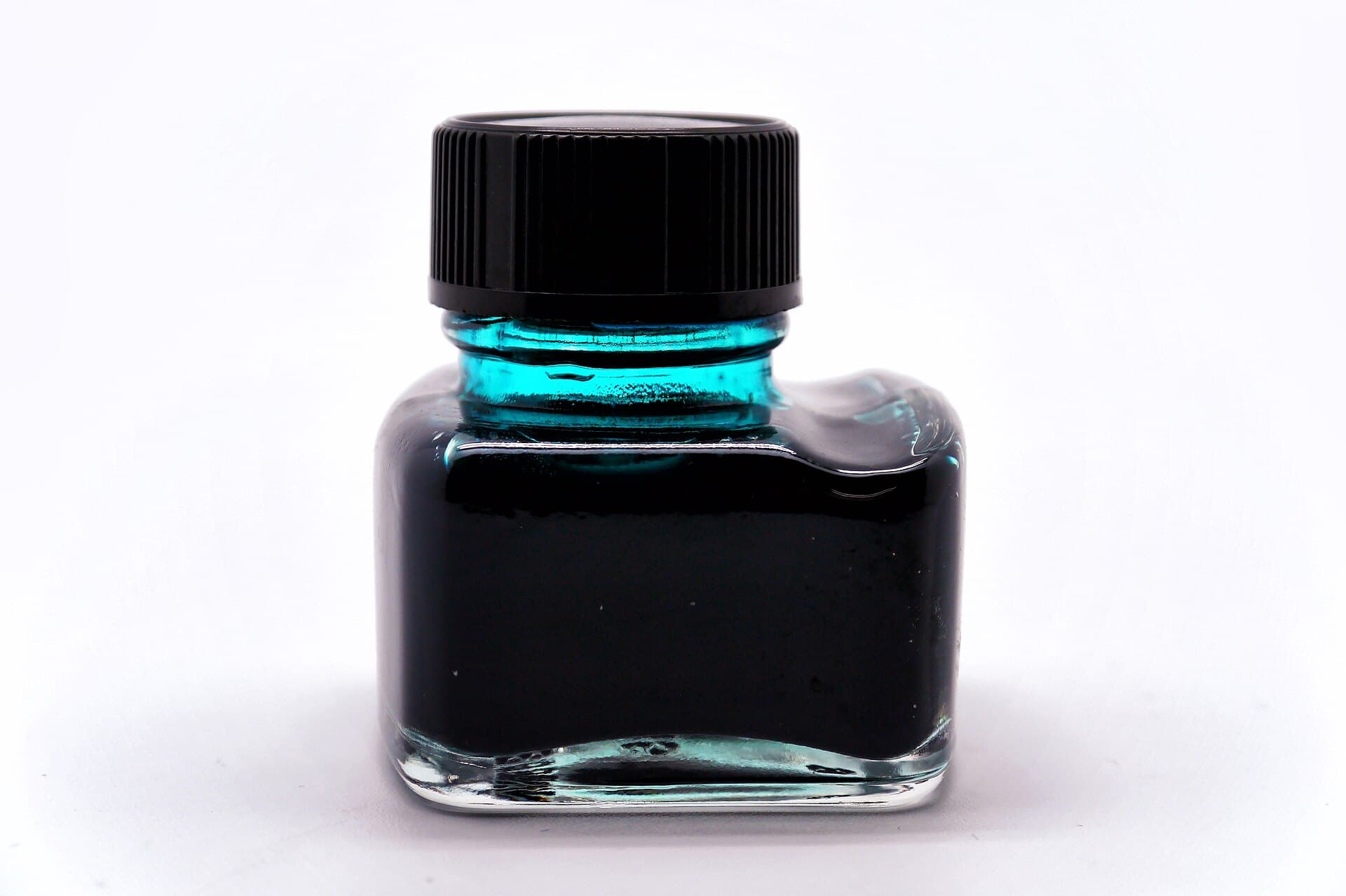
Image: Poulpy. CC BY-SA 3.0. See the image credits.

A fountain pen in Hobart and a fountain pen in Cairns are not the same instrument. The steel is the same. The weather is not. At Bookbinders we sold to both, and to everyone in between, and the aftercare note that prevented the most angry emails was always about climate. Ink is a liquid. Australia is a set of arguments about heat.
This is the house maintenance, written for people who live where a closed bag becomes a greenhouse and where "room temperature" is not a European assumption.
What humidity does to a cap and a feed
A good cap has an inner seal. Platinum advertised theirs; other makers simply have one or do not. In dry air a weak inner cap lets the nib dry overnight. In humid air the same cap can keep the nib wet and also keep the threads a little sour, because nothing ever quite dries. You will see this as a dark ring on the section, a nib that starts instantly and then writes a thicker line than you remember, and a converter that smells like a vase.
Wipe the section. Unscrew the cap completely at the end of a week and let the threads air in the shade, not in the sun. If you live on the coast, salt air will find any steel part that was never meant to be a marine fitting. Rinse more than you think. Do not store the pen in a bathroom "because it is handy".
A feed that has been left inked for months in the wet season can grow a film. This is not always dramatic mould. Sometimes it is just tired dye and a bit of dust. Flush it. If the water never runs clear, the ink may have been a pigment or a shimmer that wanted more discipline than you gave it. Read storing bottled ink before you refill the same colour into a dirty feed.
Heat is the leak that looks like a defect
Customers would arrive with a stained notebook and a theory about Chinese quality or German quality or a cursed Monday. The pen had been in a car at Indooroopilly, or on the dashboard of a delivery van, or in a black backpack on a ferry. Ink expands. Air in a half-empty converter expands faster. The feed does its job and delivers a blot to the only opening it has.
Keep pens out of cars. Keep them out of windowsills. On a plane, either fill the pen quite full or empty it; a half-full converter is a chamber of ambition. Store pens nib-up if you can, capped, in a pouch that is not itself baking. If you use a Traveler's cover as a pen sleeve, remember that leather in the sun is an oven lined with romance.
If a pen does burp, do not stab at the nib with a tissue until you have unscrewed the cap over a sink. Clean the section, flush if the ink has crawled into the threads, and test on scrap. Most "broken" pens after a hot day are merely messy.
The weekly and the seasonal
A daily writer in a humid city wants a flush every few weeks. Use cool water. Hot water can move some manufacturers' adhesives. A bulb syringe helps; so does patience. Never use alcohol unless a maker says so. Never use a household cleaner because it smelled like it could dissolve a problem.
Once or twice a year, depending on how hard you use the pen, look at the converter seals and the piston grease. A dry piston will start to skip in the mechanism before it skips on the page. TWSBI publishes a grease ritual for a reason; follow theirs, not a generic one, and read the demonstrator essay if you are about to over-tighten a barrel in the name of care.
Nibs do not need oil. Fingers oil nibs by accident. If a nib starts to skip after a season of sunscreen and zinc, flush the section and wash your hands before you decide the tipping is dead. Australian summers put more product on a hand than a Berlin winter does.
Inks that behave, and inks that lecture you
Some inks are easier in this climate. Well-behaved dye inks from Pilot, Platinum, and the less theatrical end of Diamine will forgive a forgotten weekend. Highly saturated inks will stain a converter and remind you forever. Pigment inks will waterproof a page and cement a feed if you leave them. Shimmer inks are a party in a bottle and a sediment in a feed.
If you write outside — a building site, a market stall, a scorebook — consider a pigment or iron-gall only after you have a cleaning habit. If you write at a café and then forget the pen in a hot studio, stay with dye. The ink and paper pairing guide is the other half of this advice.
When to stop home care
A bent tine, a cracked section, a piston that will not move, a smell that is genuinely biological — these are not sink jobs. Stop. Take the pen to someone who works on pens, or write to the desk and we will point you at a restorer rather than at a hero tutorial. More pens are killed by enthusiastic disassembly than by humidity.
Care is not a personality. It is a climate practice. Cap the pen, keep it out of the car, flush it when the colour looks tired, and buy the next bottle only when the feed is honest again. That is the entire Aspley aftercare course.
Sunscreen, zinc and the section
Australian hands in summer are a chemical environment. Sunscreen on a section will migrate into a cap and onto a page. Wash before you write, or keep a cheap pen for the beach and the good pen for the evening. If a section becomes slick and skips, flush and wipe before you assume the nib is finished.
Zinc on a black barrel looks like a ghost. It will come off. The ink on a white shirt will not. Choose your summer pen with that in mind.
A seasonal calendar
November: check grease and converters, move bottles off sills. January: refuse the car, flush anything that looks tired. April: a deeper clean, retire summer shimmer. August: the easy months, when a dry house may need you to watch for dried nibs rather than films. The calendar is local. Adjust it to your town. Care that follows the year will outlast care that follows a mood.
Questions from the bench
- How often should I flush a fountain pen in Queensland?
- Every two to four weeks if it is a daily writer, and whenever you change colour. In the wet season, flush sooner if the ink starts to look stringy or the nib dries despite a good cap.
- Can I leave a fountain pen in the car?
- No. A parked car in Australian sun will expand the ink, loosen the cap seal and stain the upholstery. Carry the pen or leave it at home.
Further reading
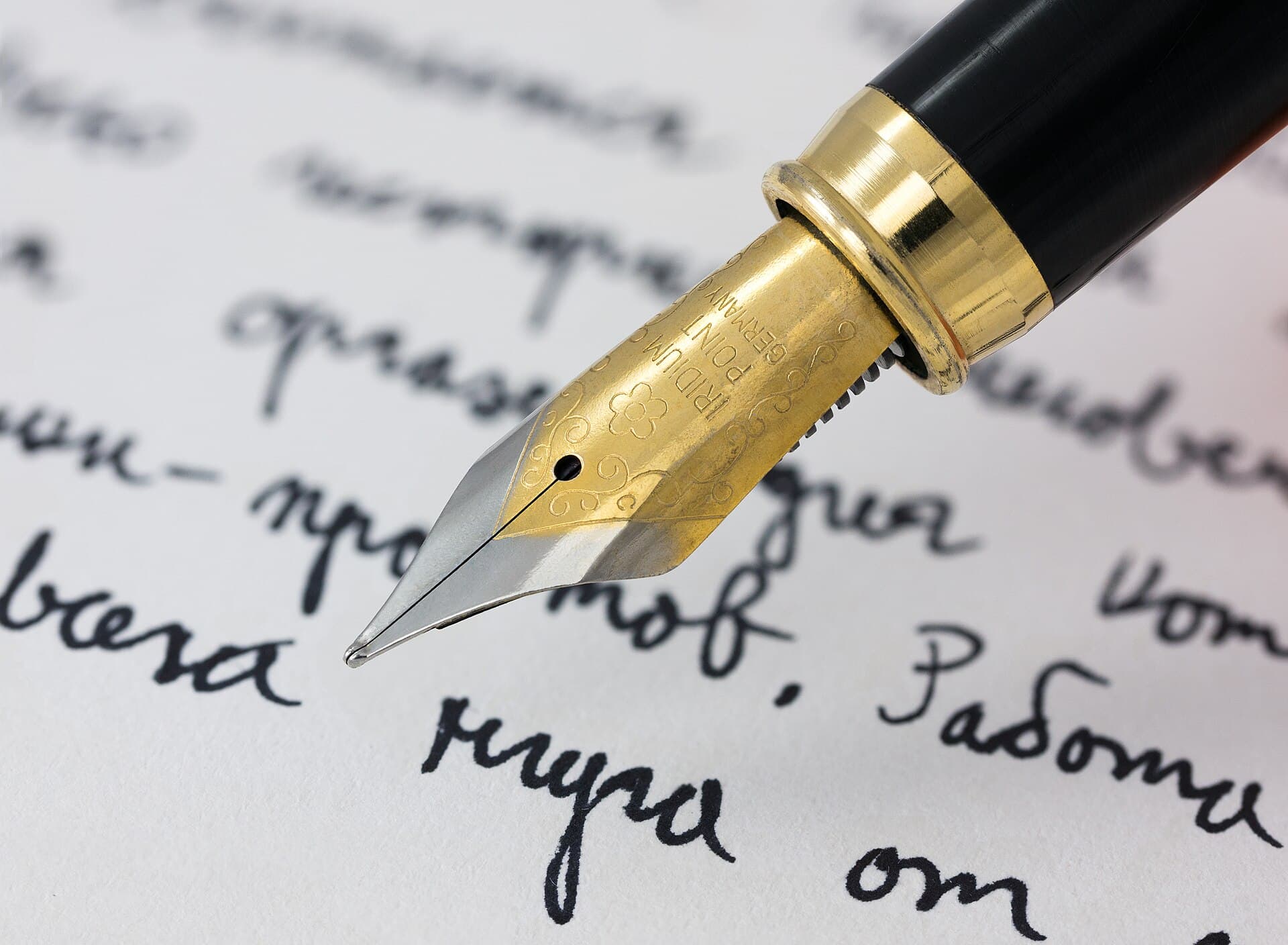
Fountain pens · 11 August 2024
Pilot in Australia, from Metropolitan to Custom 823
Pilot is the brand we could put in a beginner’s hand and in a collector’s, without changing the sentence about feedback, cartridges and service. Here is the family as it actually arrives here.
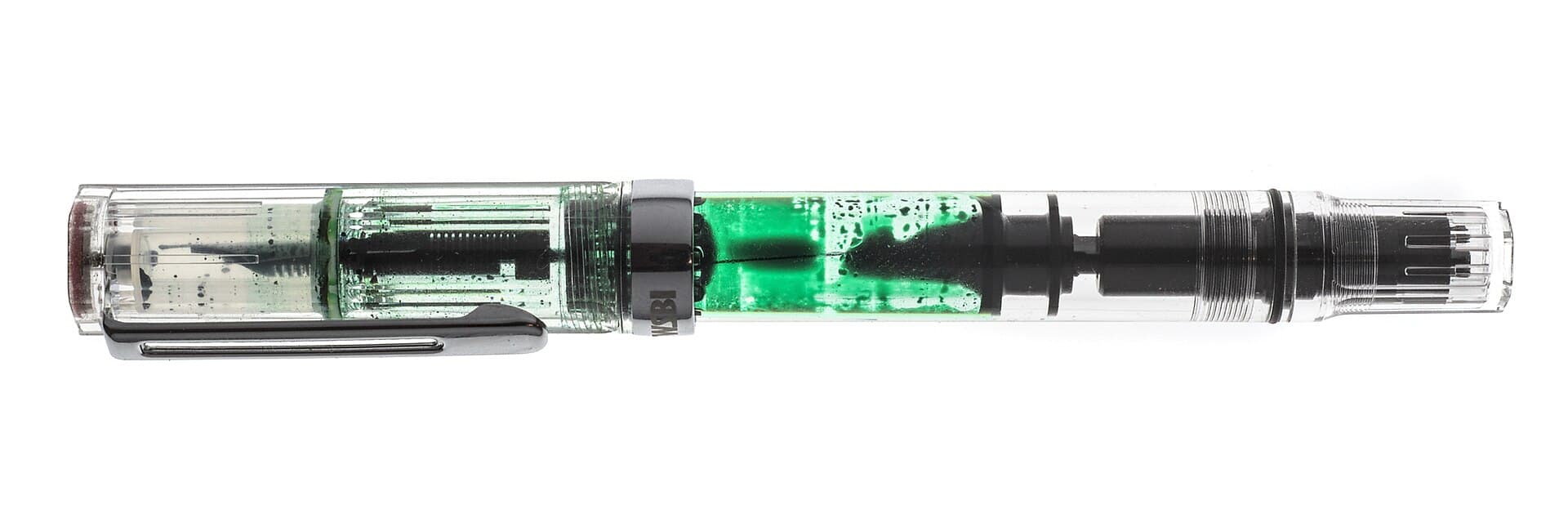
Fountain pens · 3 July 2024
Why TWSBI demonstrators changed the hobby
A clear piston you could actually afford made ink visible, capacity ordinary, and maintenance a conversation. It also taught a generation about cracks, grease and patience.
Fountain pens · 9 May 2024
Filling systems without the mystique
Cartridge, converter, piston, vacuum and eyedropper are just ways of getting ink from a bottle into a feed. Here is how they behave in Australian heat, and which ones we trusted on the counter.