Fountain pens · 11 August 2024 · 10 min read
Pilot in Australia, from Metropolitan to Custom 823
Pilot is the brand we could put in a beginner’s hand and in a collector’s, without changing the sentence about feedback, cartridges and service. Here is the family as it actually arrives here.
By The Bookbinders desk
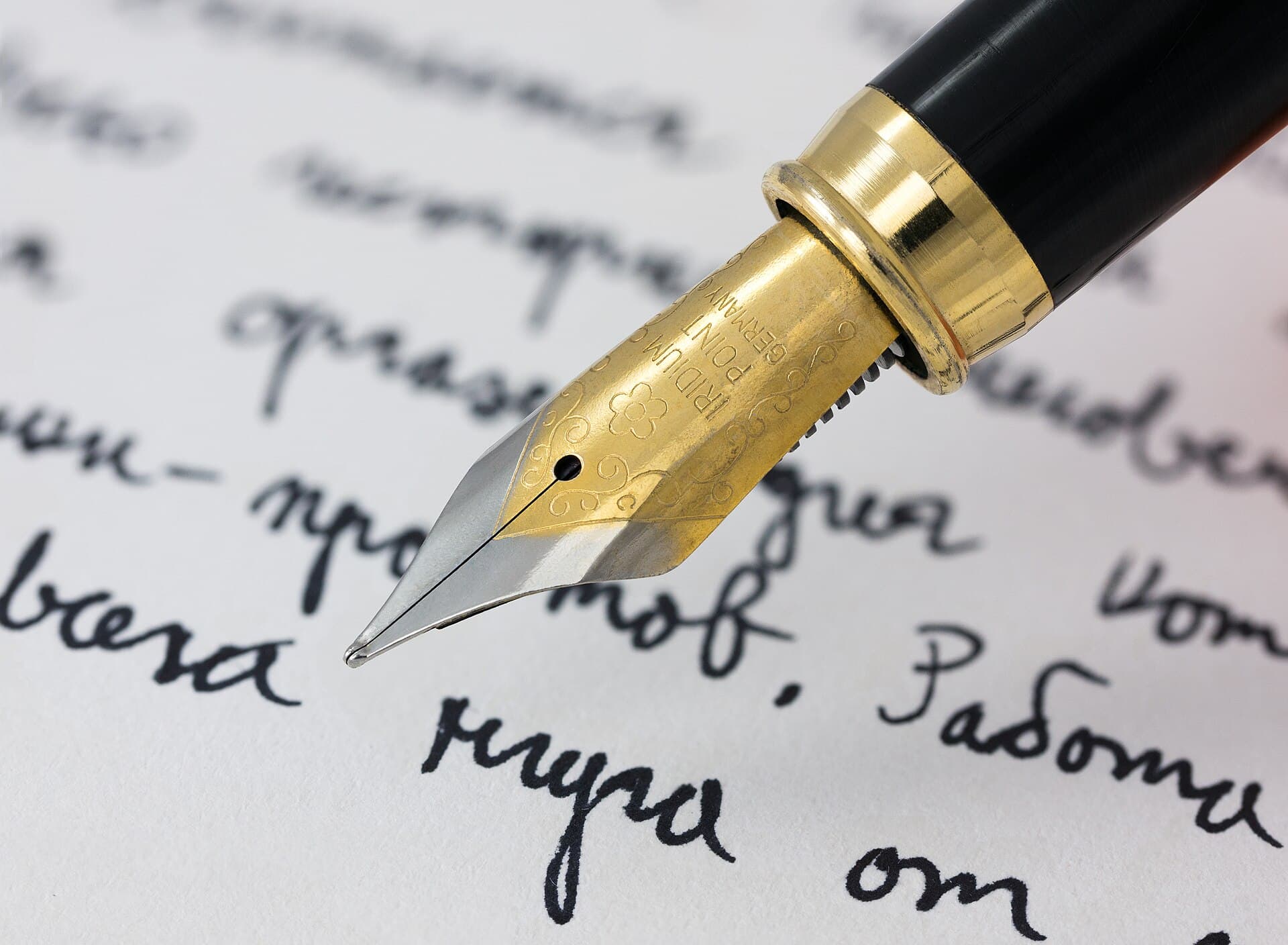
Image: Petar Milošević. CC BY-SA 4.0. See the image credits.

Pilot has been the quiet spine of Australian fountain-pen retail for as long as we have been selling pens. Not the loudest window. Not always the most photographed. The brand you could put in a teenager's hand as a Kakuno and in a solicitor's as a Custom, and both would write on Tuesday. The old site had a "Pilot Prestige" tile for a reason. People came for Traveler's and left with a Metropolitan because the nib made sense on the pad we kept under the glass.
This is not a catalogue. It is a map of the family as it behaves here: cartridges that are proprietary, fines that are actually fine, and a service culture that still means something when a nib goes wrong.
The door pens: Kakuno, Metropolitan, Explorer
The Kakuno is a joke that writes well. Smile on the nib, flat sides so it does not roll off a school desk, a price that does not require a conversation with a parent. We treated it as a serious instrument that happened to look friendly. The Metropolitan added weight and a brass-ish seriousness that some adults needed before they would admit they wanted a fountain pen. The Explorer and the G2 rollerballs that later crowded the new arrivals row were different tools; the G2 is not a fountain pen and should not be sold as a consolation prize when someone wanted ink.
All of the door pens want a converter. Pilot cartridges are excellent and limited. The Iroshizuku bottle you were going to buy anyway will not fit the story until the converter is in the box. If you are still choosing a first pen, read the beginner guide and then come back to decide whether you want Pilot's particular feedback.
Feedback is not a defect
Pilot steel and gold nibs often have a controlled tooth. People who learned on glassy German steel sometimes call it scratch. People who write small call it control. On Midori MD it feels like a sharp pencil that never goes blunt. On a glossy gift-shop journal it can skip, because the paper has no grain to offer.
If a Pilot skips on good paper, look at alignment and baby's bottom before you look at brand lore. If it "scratches" only on the upstroke, you may be pressing. If it scratches in every direction on cheap paper, you may have the wrong pad, not the wrong pen. The nib essay exists for this argument.
Japanese fine and extra-fine are narrower than European equivalents. Say that out loud in the shop. A customer who wants a "fine like a ballpoint" will be happy. A customer who wants a juicy European medium will not, and should be walked to a different case.
The middle of the family
Custom 74, 742, 743. Different nib sizes, different presence, still the same house feeling. These are the pens we sold to people who had worn out a Metropolitan honestly. Gold nibs that still felt like Pilot. Cartridge-converter convenience. Nothing theatrical unless you chose a showy colour.
They are also the pens that make ink pairing obvious. A Custom with Iroshizuku Kon-peki on Tomoe River is a cliché because it works. A Custom with a dry grey on a supermarket pad is a waste of a gold nib. Buy the paper with the pen if you can. That was never an upsell. It was damage control.
The 823 and the prestige tile
The Custom 823 is a vacuum filler with a reputation that precedes it. It holds a lot of ink. It has a gold nib that can be a daily writer rather than a Sunday pen. It asks you to learn a filling system that is not a converter. It is not a first pen. It is a pen for someone who already knows they will use a fountain pen until the section wears a fingerprint.
The old "Pilot Prestige" language on the website also covered pens and inks as a set: the idea that a shop could be about writing, not only about notebooks. Graf von Faber-Castell had the limited window. Pilot had the long counter. We needed both. One paid the rent on special occasions. The other paid it on ordinary Thursdays.
Service, parts, and why the brand still belongs in a shop
A pen you cannot get a nib for is a souvenir. Pilot, through Australian specialists, has remained a brand you can still have a conversation about. That matters more than a new resin colour. If you buy one, buy it from someone who will still be there when the converter perishes, and keep the humid-climate care in mind. A 823 in a hot car is a large, expensive lesson about expansion.
Pilot will not be the only pen you ever own if the hobby takes. It might be the only brand you need if all you wanted was to write. That is a compliment we used to give without a brochure.
Cartridges, converters and the Australian spare
Pilot's proprietary cartridge is a blessing until the last blue is gone on a Sunday. Keep a converter in the box from the start. Keep one spare cartridge in the tin for the day the bottle is empty and the shop is shut. If you travel, the cartridge is the safer spare; the bottle is the better home.
Nib units on some models can be swapped by a technician. Do not assume a Metropolitan nib is a user-serviceable toy. Take it to someone who has done it, or write to a specialist. The brand's value in this country has always been that someone, somewhere, still knows the part.
Prestige without the theatre
The prestige tile on the old site was a way of saying that Pilot belonged next to the limited window, not only next to the school pen. You can take that seriously without buying the most expensive barrel. A Custom that you fill every week is more prestige than a boxed object. Write with it on an ordinary Brisbane Thursday. That is the review.
Questions from the bench
- Is the Pilot Metropolitan still a good first pen?
- Yes, if you like a slightly heavier metal barrel and Japanese fine lines. Pair it with a converter and a bottle, not only with the blue cartridge in the box.
- What does the Custom 823 add that a Metropolitan does not?
- A vacuum filler, a gold nib, a great deal more ink, and a different kind of attention. It is a second or third pen for someone who already writes every day.
Further reading
Fountain pens · 3 July 2024
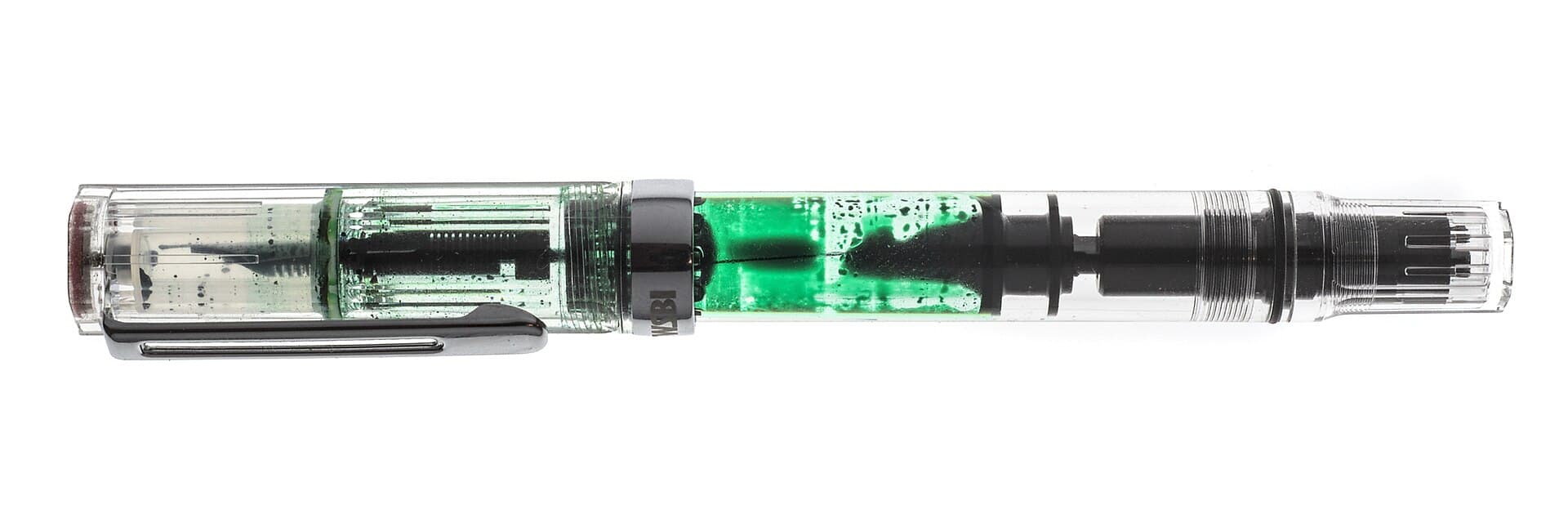
Why TWSBI demonstrators changed the hobby
A clear piston you could actually afford made ink visible, capacity ordinary, and maintenance a conversation. It also taught a generation about cracks, grease and patience.
Fountain pens · 18 June 2024
Looking after a fountain pen in a humid Australian climate
Heat, salt air and a January glovebox will teach you more about feeds than any forum. This is the maintenance we used to write on the back of an Aspley receipt.
Fountain pens · 9 May 2024
Filling systems without the mystique
Cartridge, converter, piston, vacuum and eyedropper are just ways of getting ink from a bottle into a feed. Here is how they behave in Australian heat, and which ones we trusted on the counter.