Fountain pens · 12 March 2024 · 11 min read
How to choose a first fountain pen in Australia
A first fountain pen should survive a humid bag, a supermarket refill run, and the particular impatience of someone who still has to write a form. Here is how we used to sell them from Aspley.
By The Bookbinders desk
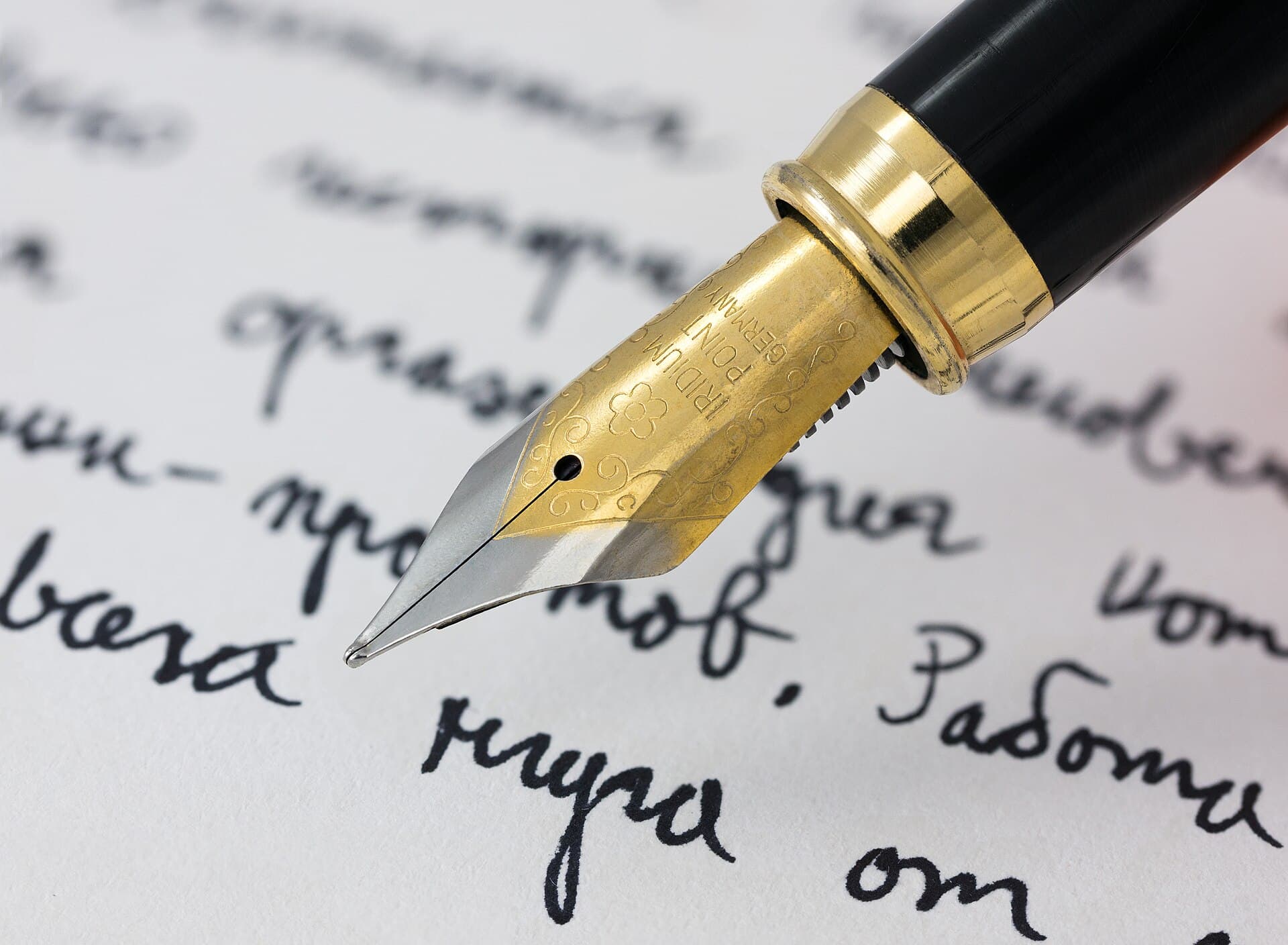
Image: Petar Milošević. CC BY-SA 4.0. See the image credits.

A first fountain pen, sold properly, is not a romance. It is a small machine that has to write a shopping list on the back of a receipt, survive January in a glovebox, and not leak through a moleskin pocket on the train to Central. At the old Aspley counter we learned to ask three questions before we asked about brands. What do you actually write? How wet is your weather? And will you refill this thing, or will it die in a mug of paperclips?
The Australian market is kinder than it was in 2014, when we were still waiting on Iroshizuku and explaining Tomoe River to people who had only known office pads. You can now walk into a city stationer or order from a specialist and leave with something that writes. That is not the same as leaving with something you will still be using in August. This piece is the conversation we used to have when someone said, a little sheepishly, that they wanted to try a proper pen.
Start with the writing, not the object
Most first pens fail because they were chosen as objects. A demonstrator in a colour you liked. A heavy metal barrel that felt expensive in the hand for thirty seconds. A gold nib you were told you would grow into. The pen that lasts is the one that matches the work. If you write short notes standing up, you want a light barrel and a fine nib that dries before the page turns. If you write letters at a table, you can have a wetter medium and a piston that holds a week of ink. If you fill forms in biro-hostile government offices, you want a backup ballpoint and no illusions.
Write a paragraph of your actual handwriting on cheap paper and on a decent pad before you spend. Notice whether you press hard. Fountain pens do not want pressure; they want a hand that has been trained by ballpoints to grind. A first pen with a slightly feedbacky steel nib — Pilot, Platinum, Lamy if the grip suits you — will teach you to lighten up. A first pen that is glassy and wet will feel luxurious for a day and then feather through the supermarket pad you actually own. For more on that collision, read what fountain-pen friendly paper actually means.
Left-handers should say so early. A fine or extra-fine nib and a quicker ink will save cuffs. So will sitting the paper at an angle instead of buying a left-handed mythology. We sold as many left-handed successes on ordinary Pilots as we did on specially marketed nibs.
What you can actually buy here
The pens that have earned a first-pen reputation in Australia are not mysterious. Pilot Metropolitan and Kakuno. Platinum Prefounte and Plaisir. Lamy Safari, if your fingers like that triangular grip. TWSBI Eco, if you want to see the ink and are willing to learn a piston. A Kaweco Sport if the pen has to live on a key ring or in a Traveler's cover. Each of these can be bought from an Australian specialist without a customs surprise, and each has spare nibs or a known service path.
Avoid, as a first pen, anything whose only spare part is a prayer. Avoid very cheap no-name Amazon pens that use nameless cartridges. Avoid vintage until you have a restorer you trust; a beautiful lever-filler from a market stall is a hobby of its own. Avoid the limited Graf von Faber-Castell until you have a daily writer. The old site once put a Pen of the Year in the window because four hundred pieces worldwide is a story. It is not a first pen.
If you already know you like Pilot's feedback, stay in that family and try a Custom or a 743 later. The Pilot essay is the longer map. If you already know you want to watch the ink slosh, read why TWSBI demonstrators changed the hobby before you buy the pretty one with the known cracking lore.
Cartridges, converters, and the first bottle
A cartridge is a courtesy to the beginner. In Australia you will find Pilot, Platinum and Lamy proprietary cartridges in a short list of colours, and international standard cartridges that fit Kaweco, some TWSBIs in the right configuration, and a graveyard of European school pens. Buy the matching converter on the same day as the pen, even if you do not use it yet. When the first bottle arrives — and it should, because that is the point — you will not want to wait on postage.
Bottled ink in a Queensland or northern NSW summer is a climate problem as much as an aesthetic one. Leave a bottle on a windowsill and you will grow a science project. Our guide to storing and travelling with bottled ink is the house advice we used to write on packing slips. For a first bottle, choose something well-behaved: a Pilot Iroshizuku in a colour you will not tire of, a Diamine that does not shout, a Platinum Carbon only if you understand waterproof pigment. Do not start with shimmer. Shimmer is a second-year problem.
Climate, bags, and the leak that was not a mystery
Australian bags are hot. A dark satchel on a sunny seat at Roma Street will take a fountain pen past the temperature the feed was designed for. Ink expands. Caps that were "tight enough" at nine in the morning weep at two. This is not a defective pen. It is physics. Keep the pen upright when you can, cap it firmly, and do not store it in a car. If you live somewhere humid, prefer pens with a decent inner cap — Platinum's slip-and-seal earned its reputation here for a reason — so the nib does not dry to a crisp over a long weekend.
A first pen should also be legal on the surfaces you actually use. If you write on receipts, cheap exercise books, and the back of printed agendas, choose a drier fine nib and a less saturated ink. If you keep a Traveler's Notebook, test the refill paper before you ink a stub. We used to keep a pad of office paper under the counter for this exact disappointment.
A buying sequence that still works
First, a steel-nibbed daily writer with a converter, bought from someone who will still answer the phone in six months. Second, a bottle of ink you like on the paper you already own. Third, a notebook that does not feather, which may mean Midori MD or a known fountain-pen pad rather than the pretty cloth journal from a gift shop. Fourth, a second nib size if you are still interested. Fifth, and only fifth, the expensive pen.
Bring the first pen back to the shop — or to this desk, by writing to us — if it skips, rattles, or writes only on the good days. Most first-pen misery is a baby's bottom on the nib, a feed that was never seated, or a hand that is still pressing. Those are solvable. A pen that was merely pretty is not.
The old testimonials on the website were not about luxury. They were about a Traveler's refill that arrived as a letter, an Iroshizuku bottle packed as a birthday, and staff who would talk you out of the wrong nib. That is still the standard. Choose the pen you will write with on a Thursday, not the pen you will photograph on a Sunday.
Questions from the bench
- What should I spend on a first fountain pen in Australia?
- Enough to get a replaceable nib and a converter, usually between forty and one hundred and twenty dollars. Below that you are buying a toy that teaches bad habits. Above that you are buying a second pen before you have a first.
- Are cartridges easier than bottled ink for beginners?
- Yes, for the first month. Fit a converter as soon as you know you like the pen, because Australian cartridge colours are limited and bottled ink is where the hobby actually starts.
Further reading
Fountain pens · 11 August 2024
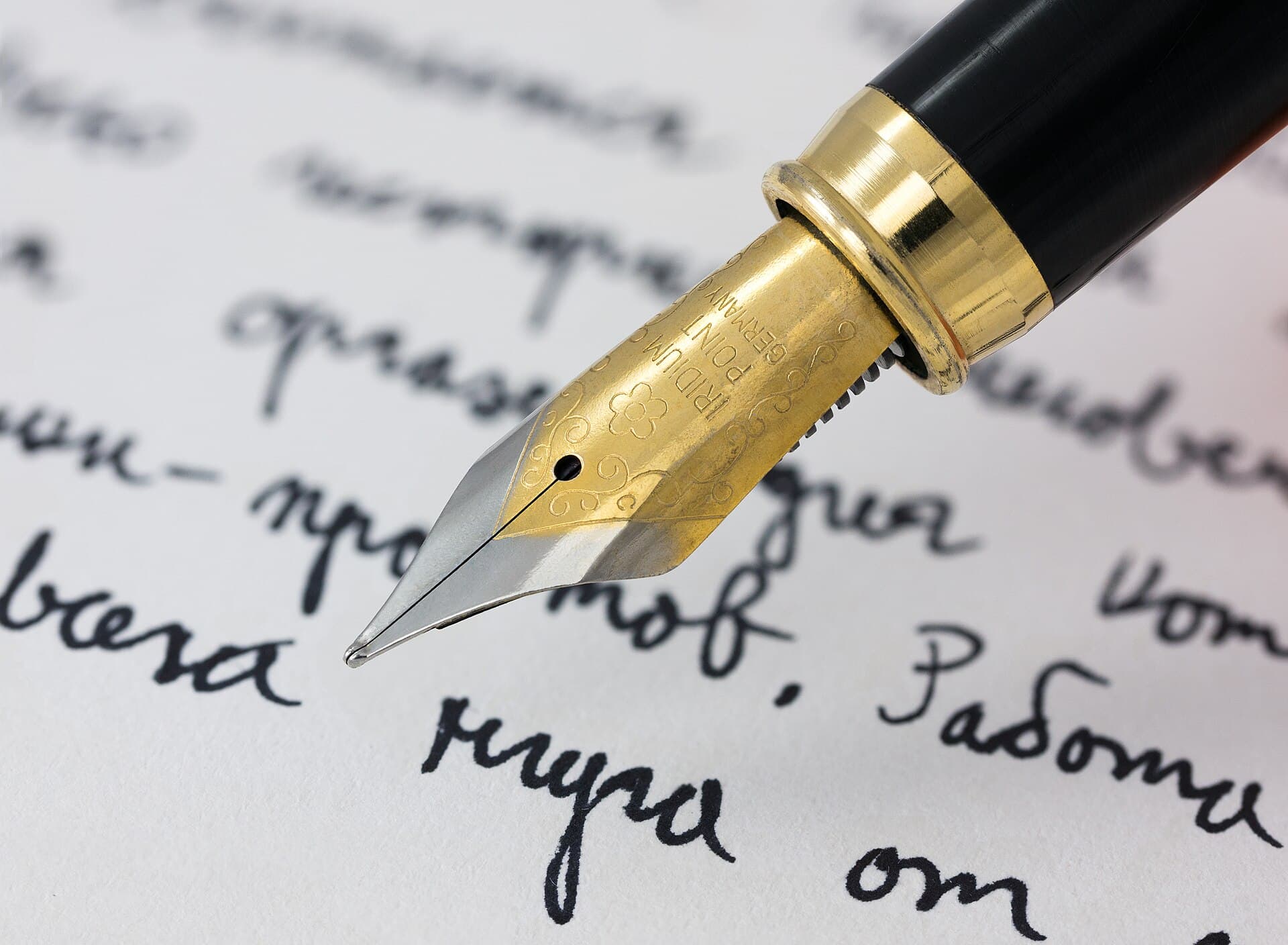
Pilot in Australia, from Metropolitan to Custom 823
Pilot is the brand we could put in a beginner’s hand and in a collector’s, without changing the sentence about feedback, cartridges and service. Here is the family as it actually arrives here.
Fountain pens · 3 July 2024
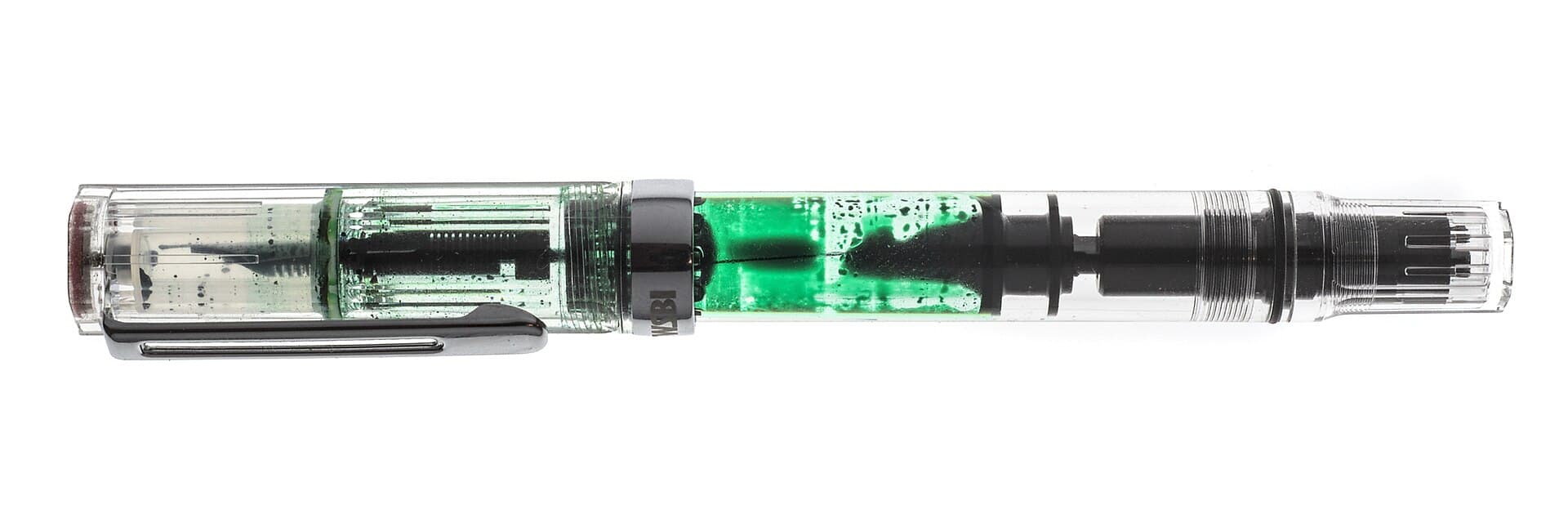
Why TWSBI demonstrators changed the hobby
A clear piston you could actually afford made ink visible, capacity ordinary, and maintenance a conversation. It also taught a generation about cracks, grease and patience.
Fountain pens · 18 June 2024
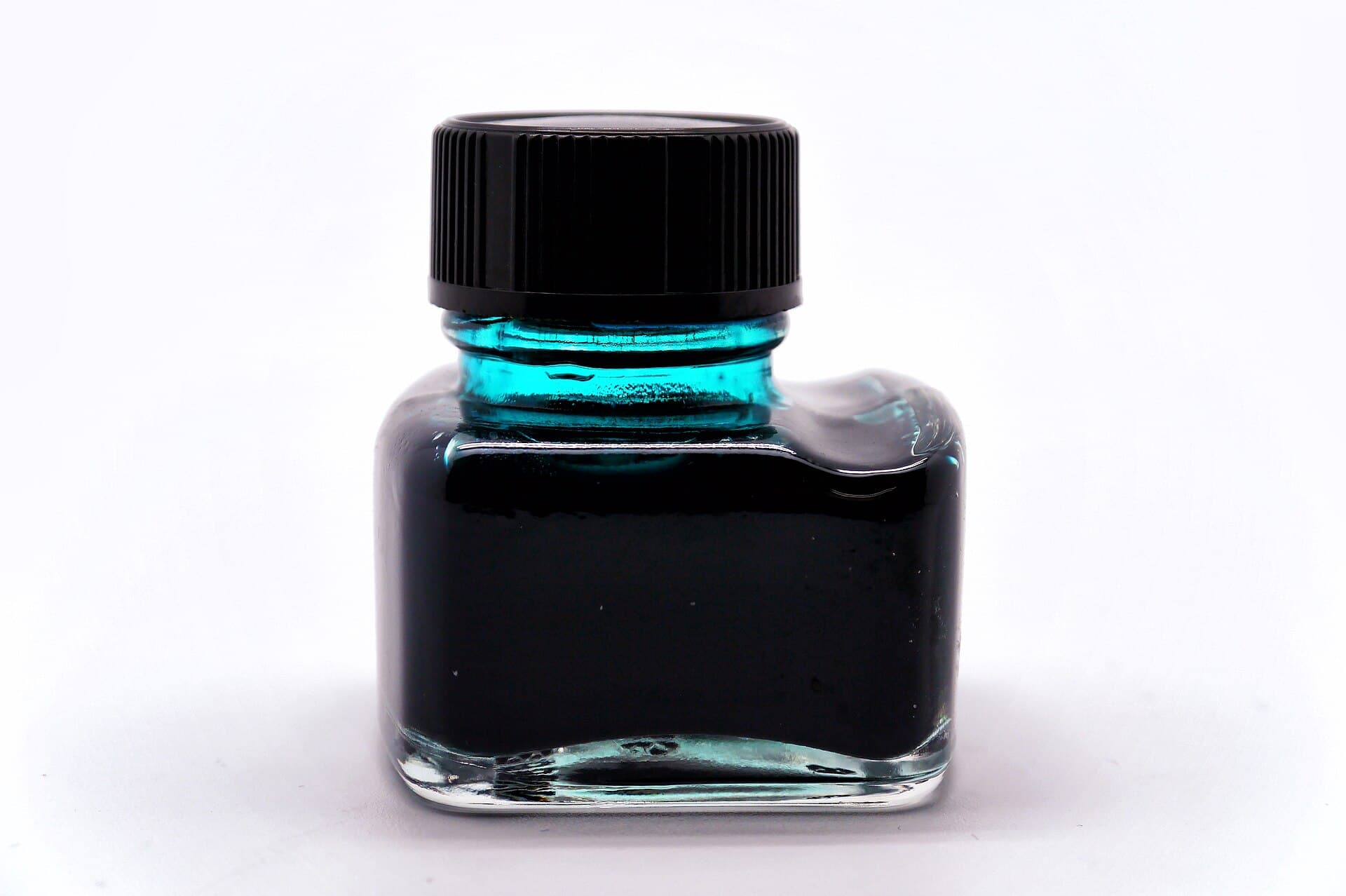
Looking after a fountain pen in a humid Australian climate
Heat, salt air and a January glovebox will teach you more about feeds than any forum. This is the maintenance we used to write on the back of an Aspley receipt.